Flower prices compared London versus Manchester
Posted on 21/10/2026
Flower prices compared London versus Manchester: what really changes the cost?
If you've ever looked at a bouquet online and thought, why does this cost more in London than it does in Manchester?, you're not imagining it. Flower prices compared London versus Manchester can vary for very ordinary reasons: shop rent, delivery routes, labour, local demand, stem availability, and how the arrangement is put together. The tricky bit is that price alone does not tell you what you're actually buying. A lower sticker price can still end up costing more once delivery, substitutions, or rushed service are added. This guide breaks it down in plain English so you can compare properly and make a decision that feels sensible, not rushed.
We'll look at how pricing works, what tends to differ between the two cities, when paying more is justified, and how to avoid the little traps that catch people out on busy occasions. Truth be told, most flower purchases are emotional purchases - birthdays, apologies, anniversaries, funerals, or just a quiet "thinking of you" moment - so it helps to know where the money is really going.
Why Flower prices compared London versus Manchester Matters
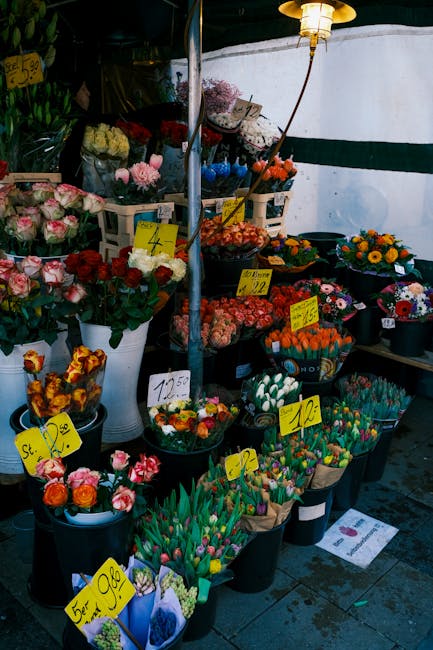
At first glance, comparing flower prices between London and Manchester might sound like a simple city-to-city shopping exercise. It isn't, not really. The difference matters because flowers are one of those products where the base product, the presentation, and the delivery can all swing the final price. You might be comparing a neat hand-tied bouquet in one city with a larger, more premium-looking arrangement in another, and the headline number won't tell you that.
For customers, the practical question is usually this: how do I get good value without cutting corners on quality or presentation? That question comes up for everyday occasions and for emotional ones. Nobody wants a funeral spray that looks underdone, or a birthday bouquet that arrives late and slightly flat after a long day in transit. And if you're sending flowers to someone in another city, even a small difference in cost can matter once delivery is added.
It also matters for planning. If you are budgeting for a wedding, corporate gifting, or a regular subscription, price differences between London and Manchester can affect how far your money goes over a month or a season. A florist buying stems in London may have different overheads than one in Manchester, and that feeds into the final price, sometimes quietly, sometimes very obviously. The point is not that one city is always expensive and the other is always cheaper. It's that the market structure is different enough to change what you should expect.
To be fair, many buyers are not trying to become flower pricing experts. They just want a sensible order, a fair price, and no awkward surprises. That is exactly why a proper comparison is useful.
How Flower prices compared London versus Manchester Works
Flower pricing is built from several moving parts, and those parts do not behave identically in every city. London often carries higher operational costs: rent, staff costs, storage pressure, and sometimes slower or more complex delivery logistics. Manchester can also be competitive and busy, but the cost structure is often different. The result is not a fixed rule, but a pattern you can usually spot if you compare like for like.
Here's the catch: you have to compare the same thing. A mixed bouquet with premium blooms, a box arrangement, and a simple florist's choice bunch are not equivalent. If one city's florist uses more roses, more seasonal foliage, or a more elaborate finish, the price difference may reflect the design rather than the location.
In practice, flower prices compared London versus Manchester are shaped by five main factors:
- Stem choice - roses, lilies, tulips, alstroemeria, chrysanthemums, and seasonal flowers all sit at different price points.
- Seasonality - flowers that are in season often cost less and look fresher for longer.
- Design complexity - a simple hand-tied bouquet usually costs less than a luxury arrangement, wreath, or wedding piece.
- Delivery distance and timing - same-day or next-day service can increase the final cost.
- Local overheads - rent, wages, packaging, waste, and cold storage all feed into pricing.
That last point is easy to overlook. A florist may not be charging "for London" or "for Manchester" as a label. They are pricing a business that has real costs behind it. Same flowers, yes. Same commercial reality, no.
You'll also see price changes depending on occasion. Valentine's Day, Mother's Day, Christmas, and wedding season all push demand up. During those periods, city pricing can widen. A bunch that looks affordable in a quiet week can feel much less affordable when everyone else is ordering at the same time. Flowers are lovely like that. Also a bit merciless.
Key Benefits and Practical Advantages
Comparing flower prices properly gives you more than a number. It gives you confidence. And that confidence matters when you are buying something personal. Below are the practical wins most people notice once they stop comparing only the headline price and start comparing the full offer.
- Better value decisions - you can spot when a lower-priced bouquet is actually smaller, simpler, or less fresh.
- Less delivery shock - you'll avoid the common moment of seeing a good deal and then discovering the delivery fee was doing all the heavy lifting.
- More accurate budgeting - especially useful for corporate accounts, events, and recurring gifting.
- Stronger occasion matching - you can choose the right style for birthdays, sympathy flowers, weddings, or thank-you gifts without overspending.
- Better seasonal timing - you can shift towards flowers that offer better value in the current season.
There is also a subtle emotional benefit. When you've compared properly, you tend to feel calmer about the purchase. You are less likely to second-guess the order or wonder if you overpaid. That matters more than people think, especially when the flowers are going to someone important. It's a small thing, but a nice one.
For some buyers, the advantage is simply knowing when London pricing is justified. A premium florist in a central location may charge more, but they may also provide a faster turnaround, more refined presentation, and stronger quality control. In Manchester, you may find better value on the same style of arrangement, particularly for everyday gifting. The practical advantage is being able to choose with your eyes open.
Who This Is For and When It Makes Sense
This comparison is useful for more people than you might expect. It is not only for bargain hunters. It is for anyone trying to make a sensible choice in a market where presentation matters just as much as price.
You will likely find this especially useful if you are:
- sending flowers to family or friends in either city
- ordering for birthdays, anniversaries, or apologies
- planning wedding flowers and need to stretch a budget
- organising corporate gifting or regular office deliveries
- arranging sympathy or funeral flowers and want to spend carefully but respectfully
- shopping for seasonal or premium arrangements and want to know what the market is doing
It also makes sense if you are comparing delivery expectations. London customers often expect quick turnaround and a wider range of same-day service options. Manchester customers may be looking for more value on a larger bouquet or a broader design for the same spend. Neither approach is "better" in the abstract. It depends on the job you need the flowers to do.
In our experience, the people who benefit most are the ones who shop with a clear brief. For example: "I need something cheerful, delivered tomorrow, under GBP50, and not too small." That kind of request makes a much cleaner comparison than just "best flowers". Best for what, exactly? That's the question.
Step-by-Step Guidance
If you want a fair comparison between flower prices in London and Manchester, use the same method every time. Otherwise you end up comparing apples with pears, and not the good kind of fruit basket comparison either.
- Choose the occasion first. Birthday, sympathy, wedding, romance, congratulations, or simple everyday gifting. Occasion drives style, size, and likely price.
- Set a budget range. Try a clear bracket such as under GBP30, GBP30 to GBP50, or over GBP50. Budget pages like budget flowers can be useful when you want to stay disciplined.
- Compare like for like. Check bouquet size, stem count if shown, flower mix, and whether the arrangement includes extras such as a vase, balloon, or card.
- Include delivery in the comparison. A bouquet that looks cheaper on the page may cost more once delivery is added. Always check the final basket total.
- Look at freshness and suitability. Seasonal flowers usually give better value. Roses and lilies can be beautiful, but they don't always offer the best price-to-impact ratio.
- Check timing. Same-day delivery can be worth paying for if you're in a rush. If not, next-day or standard delivery can save money.
- Review substitution terms. A good florist should explain what happens if a stem is unavailable. That protects the style of the bouquet and your expectations.
- Place the order early when possible. It sounds obvious, but early ordering often gives you more choice and fewer last-minute compromises.
A useful tip: if two bouquets are priced similarly, look at the structure of the bouquet rather than the flower names alone. A well-balanced bunch with fewer, stronger stems can look better than a crowded arrangement with no shape. The eye notices harmony before it counts stems. That's just how people work.
Expert Tips for Better Results
If you want better value, not just a cheaper price, the details matter. A lot. Here are the habits that tend to make the biggest difference.
- Choose seasonal colours and blooms. Seasonal flowers usually travel better, look fresher, and are often less expensive.
- Ask for florist's choice when flexibility is acceptable. You may get a stronger arrangement for the money because the florist can use the best available stems.
- Use flowers that hold shape well. Carnations, chrysanthemums, alstroemeria, and mixed foliage often create value without feeling basic.
- Prioritise presentation if the gift is important. For high-stakes occasions, luxury packaging or a vase can be worth the extra spend.
- Don't overpay for rarity unless rarity matters. Sometimes a simple design with a thoughtful card lands better than an expensive but overcomplicated bouquet.
- Use category pages to compare style families. For example, browsing mixed colours, roses, or luxury flowers can help you see where your money is going.
One thing people often miss is that "cheap" and "good value" are not the same word. A cheaper bouquet that arrives tired, small, or badly balanced is poor value. A slightly dearer bouquet that looks full, fresh, and well packed may be the smarter buy. You feel that difference the moment the box opens and the room gets that fresh-flower scent. Simple, but important.
Also, if the bouquet is for a specific colour mood, use colour categories to your advantage. White flowers can feel calm and elegant, pink can feel warm and affectionate, red is more romantic, and yellow is bright and cheerful. That emotional fit matters as much as price in many cases.
Common Mistakes to Avoid
Price comparison is where a lot of small mistakes creep in. Nothing dramatic. Just enough to make the order less satisfying than it should have been.
- Comparing only the headline price. Always check delivery, card, vase, and any timing surcharge.
- Ignoring bouquet size. A low price can reflect a smaller arrangement rather than a better deal.
- Choosing out-of-season flowers without a reason. They may cost more and not last as long.
- Forgetting the occasion. A sympathy arrangement and a birthday bouquet should not be compared like they are identical products.
- Assuming city pricing tells the whole story. Two florists in the same city can price very differently based on style and service level.
- Leaving it until the last minute. Rush ordering narrows your choice and can push the price up.
Another common mistake is overreacting to "cheap flowers" wording. Cheap does not always mean poor, but it does mean you should check quality signals carefully. Read the product description, not just the price badge. If the bouquet is from a trusted florist with clear delivery information and care guidance, that is far more reassuring than a vague bargain with no detail.
And yes, sometimes the prettiest photo on the page is doing a lot of heavy lifting. We've all been there. A flower picture can be a bit like a cafe menu photo: lovely, but not always the whole story.
Tools, Resources and Recommendations
You do not need fancy software to compare flower prices well. You just need a consistent way to judge what you're seeing. A few practical resources on the site can help make that easier.
Start with broad browsing if you are unsure of the style. Pages such as all flowers and best sellers help you see what is commonly bought and how arrangements are positioned. If you want something more occasion-led, categories like any occasion, birthday, and thank you are a practical starting point.
If your goal is to balance price and appearance, browse a few value-led sections first. Then compare them with premium options. That makes the trade-off clearer. You can also check pages such as florist choice when you want the florist to use the freshest available stems without you micromanaging every bloom.
Recommended practical habits:
- take a screenshot of the bouquet and total price before delivery is added
- compare at least three products in the same price band
- check whether a bouquet includes a vase, card, or gift add-on
- look for clear care instructions so the flowers last longer
- choose the delivery window that matches your real deadline, not the ideal one
If you are buying regularly, keep notes on which styles tend to last best in your home or office. Little things matter. A bouquet that looks good on day one but collapses by day three is not really saving you money.
Law, Compliance, Standards, or Best Practice
Flower buying is not highly regulated in the way some industries are, but there are still important best practices worth paying attention to. A trustworthy florist should be clear about pricing, delivery terms, substitution policies, refunds, and how personal data is handled.
From a customer point of view, the most useful checks are simple:
- Does the product description explain what is included?
- Are delivery expectations stated clearly?
- Are substitutions handled in a fair and reasonable way?
- Do payment and refund pages explain how issues are managed?
- Is there transparent information about the business and contact details?
On this site, pages such as delivery, returns and refund, terms and conditions, and privacy policy are the kind of pages a careful customer should review before ordering. That's especially true for timed deliveries or event flowers, where expectations can be quite specific.
Best practice also includes honest presentation. A bouquet should not be photographed to look much larger than it is. Good floristry is about clarity as much as creativity. If a florist gives you a straightforward description and realistic expectations, that is a positive sign. You may not notice it until something goes wrong - then it becomes obvious fast.
Options, Methods, or Comparison Table
To compare flower prices between London and Manchester properly, think in terms of use-case rather than just location. The same budget can buy very different outcomes depending on what you choose.
| Comparison point | London tendency | Manchester tendency | What to watch for |
|---|---|---|---|
| Base bouquet price | Often higher in premium or central locations | Can be more competitive for the same style | Check stem count, size, and finish |
| Delivery cost | Can be affected by traffic and timing | Can still vary by route and urgency | Compare final basket total, not just item price |
| Luxury presentation | Often strong demand for premium styling | Good value can be found without losing quality | Packaging and design matter more than city label |
| Same-day service | Often widely expected | Available too, depending on florist and postcode | Order early if timing matters |
| Seasonal value | Can be excellent when demand is calmer | Can be very strong in value-led ranges | Seasonal flowers usually stretch money further |
If you are buying for a birthday or a cheerful gesture, value-led bouquets such as birthday flowers or a bright mixed design often make more sense than overbuilding a luxury arrangement. If the occasion is more formal, such as sympathy or remembrance, spend a little extra on structure and finish rather than just adding more stems. Better shape, better message.
For customers comparing price bands, a good rule is this: decide whether you want simple and cheerful, balanced and refined, or premium and standout. Once you know that, the price starts to make more sense.
Case Study or Real-World Example
Here's a very typical scenario. A customer needs flowers for a next-day birthday delivery and is choosing between an arrangement from a London florist and one from a Manchester florist. Both are visually similar online. One is listed at a slightly higher price, the other looks cheaper at first glance.
Once the customer checks properly, the picture changes. The cheaper option has a smaller bouquet size, a narrower flower mix, and a delivery fee that pushes the final total close to the other option anyway. The slightly higher-priced bouquet includes a fuller finish, a clearer care note, and a better delivery window. The actual difference is not huge, but it is real. The second option ends up feeling better value because it aligns with the occasion and avoids the "looks cheap but lands flat" problem.
That is the sort of outcome you see all the time. Not dramatic. Just quietly better. In a rush, people often focus on the price line and miss the broader picture. By slowing down for two minutes, they usually buy something more appropriate and feel happier with it later.
Another example: a corporate buyer wants a weekly arrangement for a reception desk. In that situation, consistency matters more than one-off wow factor. A stable, well-priced flower plan can beat a flashy premium order every time. If the flowers arrive on time, look tidy, and last well, that is the real win. Corporate gifting pages like corporate accounts can be useful for that kind of repeat need.
Practical Checklist
Use this quick checklist before placing your order. It is boring in the best possible way.
- Have I compared the same type of bouquet in both cities?
- Do I know the final total including delivery?
- Is the bouquet size clear?
- Does the product description explain the flowers and style?
- Have I checked whether it is seasonal or likely to be substituted?
- Does the timing match when I actually need it?
- Is the arrangement right for the occasion?
- Would a florist's choice option give me better value?
- Have I looked at care instructions so it lasts longer?
- Am I comparing value, not just the cheapest number on screen?
If you can tick most of those off, you are already ahead of a lot of buyers. Honestly, that's the difference between a smooth order and one of those mildly annoying "why did I not check that?" moments.
Conclusion
Flower prices compared London versus Manchester is not a contest with one permanent winner. It is a practical comparison of costs, service levels, presentation, and timing. London may often feel more expensive because the business overheads are different, but Manchester can still vary widely depending on florist, style, and delivery needs. The smartest approach is to compare like for like, include delivery, and judge value in the context of the occasion.
If you remember one thing, make it this: the best flower price is the one that gives you the right result without hidden surprises. That could mean a simple seasonal bouquet, a carefully styled luxury arrangement, or a reliable same-day delivery when time is tight. Either way, the goal is the same - good flowers, fair value, and a delivery that arrives feeling right.
Get a free quote today and see how much you can save.
And if you are still undecided, that is perfectly normal. Flowers are meant to feel thoughtful, not stressful. Take your time, compare properly, and choose the option that feels quietly right.

Frequently Asked Questions
Are flowers usually more expensive in London than in Manchester?
Often, yes, but not always. London florists can have higher operating costs, which may show up in the final price. But the exact cost depends on the florist, the bouquet style, delivery timing, and whether the flowers are seasonal. Manchester can also be pricey for premium or urgent orders.
What affects flower prices the most?
The biggest factors are flower type, bouquet size, seasonality, design complexity, and delivery costs. Same-day or next-day delivery, luxury packaging, and special occasion arrangements can raise the price too. The city matters, but it is only one part of the equation.
How do I compare bouquets fairly between London and Manchester?
Compare the same occasion, similar size, and similar flower mix. Then add delivery fees and check what is included, such as a vase, card, or premium wrapping. If one bouquet looks cheaper, make sure it is not simply smaller or less detailed.
Is it cheaper to order flowers online or from a local florist?
It can be either, depending on the product and service. Online ordering can offer wider choice and quick browsing, while a local florist may provide more tailored service or better last-minute help. The best option is the one that gives you clear pricing and a bouquet that suits the occasion.
Do same-day flower deliveries cost more?
Usually they do, because the florist has less time to prepare the order and may need to prioritise your delivery window. Same-day service is often worth it when time matters, but if you can order earlier, you may save money and get more choice.
Are cheap flowers ????? No - are they lower quality?
Not necessarily. Cheap flowers can still be fresh, attractive, and good value. The key is whether the bouquet is well designed, clearly described, and suitable for the occasion. A low price only becomes a problem when it hides a small bouquet, poor presentation, or vague delivery terms.
Which flowers tend to be better value?
Seasonal blooms often give the best value, especially when paired with strong foliage and a balanced design. Flowers such as carnations, chrysanthemums, alstroemeria, and mixed seasonal bouquets can look full and lasting without pushing the price too high. Value is about impact, not just rarity.
Does bouquet size always mean better value?
No, not by itself. A larger bouquet can look impressive, but if the flowers are mismatched or short-lived, the value may be poor. A slightly smaller arrangement that is well structured and fresh can be the better choice, especially for a gift with emotional weight.
What should I check before paying for flower delivery?
Check the final total, delivery date, delivery window, substitution policy, and what the bouquet includes. Also make sure the florist explains returns, refunds, and care guidance clearly. A few minutes of checking can save a lot of hassle later.
Are luxury flowers worth the higher price?
Sometimes they are. Luxury flowers can be worth paying for when presentation matters, the occasion is important, or you want a stronger visual impact. For casual gifting, though, a well-made mid-range bouquet often gives better value. It depends on the job the flowers need to do.
Can I find good-value birthday flowers in both cities?
Yes. Birthday bouquets are one of the easiest ways to compare value because they come in many styles and price points. Look for balanced colour, fresh stems, and a size that suits your budget. A cheerful, well-finished bouquet often says more than a very expensive one.
How can I make flowers last longer after delivery?
Use the care instructions, trim stems if advised, change the water regularly, and keep the arrangement away from direct heat or fruit bowls. Good flower care can make a noticeable difference to vase life, which improves the value of your purchase without spending a penny more.


