Quick steps to prepare wedding flowers for transport
Posted on 12/10/2026
Wedding flowers can look perfect on the workbench and still go a bit sideways in the van. A bridal bouquet leaning in the wrong direction, buttonholes getting squashed, or a centrepiece sliding on a corner is all it takes. That is why quick steps to prepare wedding flowers for transport matter so much: they help keep stems hydrated, blooms protected, and the whole delivery calm instead of chaotic. If you are a florist, a wedding planner, or simply helping with the big day, the aim is the same. Get the flowers from A to B in one piece, looking fresh and ready to work their magic.
In this guide, you will find a practical, no-nonsense process for preparing wedding flowers for transport, plus the small details that make a big difference. We will cover the packing order, moisture control, container choices, what to do with delicate designs, and the mistakes that catch people out at the last minute. Truth be told, most transport problems are preventable. A little planning goes a long way.
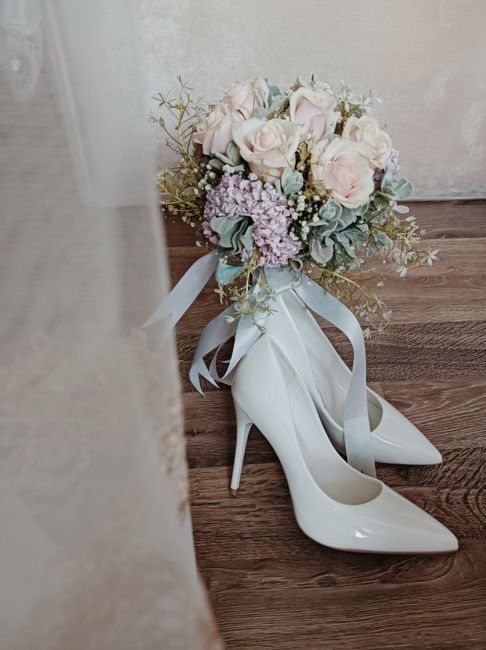
Why Quick steps to prepare wedding flowers for transport Matters
Wedding flowers are often assembled early, handled several times, and then moved during the most time-sensitive part of the day. That means transport is not a side job; it is part of the design process. When flowers travel poorly, you do not just risk a bent stem or a loose ribbon. You can end up with water spills, bruised petals, heat stress, flattened foam, or arrangements that simply do not look as intended on arrival.
In our experience, the biggest risk is often not the distance. It is the handling. A short trip across Hatton or a slightly longer run into central London can be enough for damage if the van floor is slippery or the bouquets are left rolling around. Even a careful driver can only do so much if the flowers have not been packed correctly in the first place. So yes, the preparation matters. A lot.
There is also a service-quality angle here. Brides, grooms, venue teams, and photographers usually notice the flowers first because they are on display immediately. The bouquet is in hands, the buttonholes are pinned, and the tables are already set. If the flowers look crisp and settled, the whole event feels more polished. If they look tired before the ceremony has even started, everyone feels it.
Expert summary: good wedding flower transport is really about three things: stability, hydration, and timing. Get those right and everything else becomes much easier.
How Quick steps to prepare wedding flowers for transport Works
The process is simple in principle, though the details matter. You prepare each flower type according to how it is made, how fragile it is, and how long it needs to stay fresh before installation. Most wedding flowers fall into one of a few groups: hand-tied bouquets, wired accessories such as buttonholes and corsages, water-based arrangements, foam-based designs, and loose stems for venue styling.
Each group needs a slightly different approach. A bridal bouquet might be wrapped at the stems, misted lightly, and kept upright in a secure box. A centrepiece in a vase may need a non-slip base and a water top-up. Buttonholes need to stay dry but cool. Tall floral arrangements may need braces or separate crates. So the work is less about one universal trick and more about matching the transport method to the design.
The other big idea is to reduce movement. Flowers dislike sudden shifts, vibration, heat, and overcrowding. A van with a flat load area, packing mats, and safe separation between designs is usually better than a passenger car boot full of mixed items. That said, smaller weddings often rely on ordinary vehicles. In those cases, careful packing and a bit of patience make all the difference.
Think of it like building a tiny, temporary flower-safe environment. Not glamorous, perhaps, but effective. And to be fair, weddings reward effective more than they reward fancy packaging that does not actually hold anything still.
Key Benefits and Practical Advantages
Preparing wedding flowers properly for transport gives you more than peace of mind. It improves the way the flowers look, how long they last, and how smoothly the whole day runs.
- Better flower condition on arrival: petals stay fresher, stems stay straighter, and arrangements are less likely to look tired before setup.
- Less last-minute rework: if the flowers arrive secure, there is less fiddling at the venue and fewer emergency fixes.
- Lower waste: fewer damaged stems means fewer replacements and less money lost to avoidable breakage.
- More reliable timing: clean transport routines make loading and unloading faster, which matters when venue access windows are tight.
- Better client confidence: couples and planners notice calm handling. It reads as professional, even before the ceremony starts.
- Improved photographer results: flowers that hold their shape look better in close-up shots, which is one of those details people remember later.
There is also a subtle emotional benefit. Wedding flowers are not just stock or product. They are part of someone's memory of the day. When they arrive beautifully, the atmosphere lifts. You can almost feel the room settle.
Who This Is For and When It Makes Sense
This guidance is useful for professional florists, wedding coordinators, venues, family members helping out, and couples who have chosen to collect flowers themselves. It also makes sense if you are working with same-day delivery, venue styling, or a multi-stop schedule with bouquets, corsages, table pieces, and larger arrangements all moving separately.
It is especially relevant when:
- flowers are being transported in warm weather or after a long morning of prep
- the wedding has multiple locations, such as prep at home, ceremony at a church, and reception elsewhere
- you are using delicate blooms like lilies, roses, hydrangeas, or mixed seasonal flowers
- foam arrangements or water vessels need careful support
- access to the venue is limited and unloading needs to be quick
If you are ordering from a local florist, it is worth checking that the flowers are prepared for the exact journey they need to make. For example, a florist offering wedding flowers in Hatton TW14 will often know the local travel patterns, venue access quirks, and practical timing issues that affect fresh delivery. That local awareness can help more than people realise.
And if you are deciding between items, remember that some designs travel more easily than others. A bouquet usually behaves better in transit than a wide, foam-heavy display. Not always, but often.
Step-by-Step Guidance
1. Finish the design before packing begins
Do not pack half-made flowers and hope to tidy them later. Finish the arrangement, check symmetry, secure any ribbon or trailing detail, and remove debris from stems and petals. If the arrangement is meant to sit upright, test its balance before it goes near the vehicle. This is the moment to catch a drooping bloom or a loose wire, not after the van door shuts.
2. Condition the flowers properly
Fresh flowers should be hydrated, trimmed cleanly, and allowed to drink before transport. Recutting stems at an angle usually helps with water uptake. Remove any leaves below the water line. For bouquet work, make sure the stems are evenly bound but not crushed. The point is to give the flowers the best start possible, so they can handle movement without collapsing halfway there.
3. Separate by flower type and structure
Group items by how fragile they are and how they travel. Buttonholes, corsages, bouquets, centrepieces, and large installations should not all be bundled together. A boxed bouquet may be fine next to another bouquet, but not next to a heavy vase that could tip. Separation keeps the load safer and also makes unloading far less frantic. You know that little moment when everyone starts asking, "Which box is the top table arrangement?" - this avoids that.
4. Use the right container or support
Choose boxes, buckets, crates, or carriers that suit the design. Tall arrangements often need high-sided supports. Bouquets travel well in shallow water containers or snug packaging that keeps the stems still. If you are using flower foam, make sure it is fully soaked and seated securely. The support should hold the flowers; the flowers should not have to brace themselves.
5. Control moisture without soaking everything
Moisture is useful. Water everywhere is not. Wrap stems carefully, use water picks where needed, and keep towels or absorbent paper handy in case of leaks. Some flowers travel best with a light mist, while others do better with stems held in water during the journey. Avoid drenching petals, especially on delicate blooms that bruise easily. Wet petals can stick, mark, or turn limp if they sit for too long.
6. Stabilise the load in the vehicle
This is where many people go wrong. Place heavier pieces low and secure, keep boxes from sliding, and use non-slip mats if possible. Never let arrangements roll around in the boot or on a seat with no support. If you are using a van, keep the load area tidy and flat. A few folded towels or foam pads can make a surprising difference. A small turn on a roundabout should not become a floral disaster.
7. Keep flowers cool and out of direct sun
Heat is a quiet enemy. In summer, even a short drive can warm up a vehicle quickly. Keep flowers away from direct sunlight and do not leave them in a parked car longer than necessary. In cooler months, avoid drafts and sudden temperature swings. The aim is steady conditions, not extreme ones. It sounds simple because it is. Still, it gets forgotten.
8. Plan the route and delivery order
If you have several items to drop, decide the order before you leave. The most delicate pieces should usually be unloaded first, or at least placed where they can be reached without moving everything else. Build in extra time for venue access, parking, and the awkward bit where someone says the service entrance is "just around the back" and it is, of course, not just around the back at all.
9. Recheck every arrangement on arrival
Do a quick inspection before handing over the flowers. Look for loose stems, shifted ribbons, water spills, or petals that need a gentle fluff. This final check is the difference between a smooth handover and a last-minute scramble. In practice, it takes only minutes. But those minutes are usually well spent.
Expert Tips for Better Results
If you want the flowers to travel well rather than merely survive, the following habits help a lot.
- Transport bouquets upright whenever possible. Laying them flat for too long can distort shape and press petals.
- Use gentle restraint, not overpacking. Flowers need support, but they also need breathing room.
- Protect delicate blooms with placement, not pressure. Put fragile flowers where they are least likely to be bumped.
- Label boxes clearly. Simple labels like "bridal bouquet," "top table," or "buttonholes" save time and reduce stress.
- Keep a repair kit close. Florist tape, snips, spare ribbon, pins, wipes, and spare petals can rescue small issues quickly.
- Match timing to flower type. Hydrangeas, for example, need more careful moisture management than tougher stems such as carnations or alstroemeria.
A small thing that helps more than most people expect: pack the flowers in the order you will need them. The ceremony pieces should not be buried under the reception decor. Sounds obvious, but wedding mornings get busy and obvious things slip. They just do.
If you are preparing a themed or colour-led wedding, keep those flowers grouped too. For example, white, pink, and mixed-colour designs can each be separated so the final setup is quicker and more coherent. It also helps if several teams are working at once and no one wants to guess which box belongs where.
One more tip: photograph the load before leaving. It takes seconds. Later, if something needs checking, you have a quick visual record of how it was packed. Nothing dramatic, just practical.
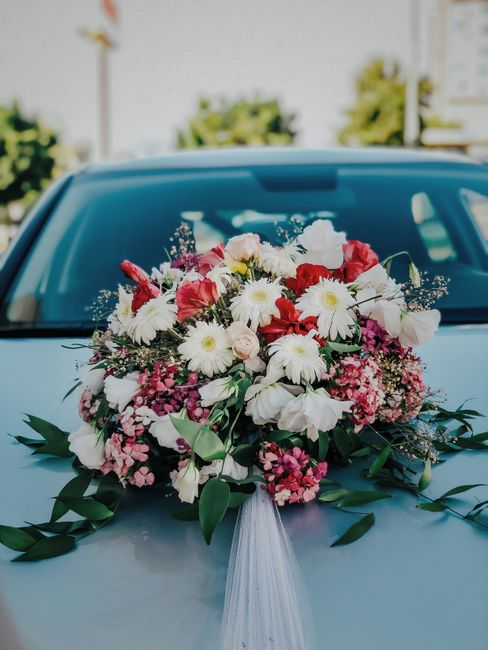
Common Mistakes to Avoid
The same transport errors turn up again and again. Avoid these, and you avoid most of the drama.
- Leaving flowers too loose in the vehicle: movement causes bruising, bent stems, and toppled arrangements.
- Overwatering or under-securing water containers: one spill can damage packaging, ribbons, and nearby flowers.
- Mixing heavy and delicate items together: a weighty vase does not belong next to a fragile bouquet.
- Packing flowers too early and forgetting the temperature: warm conditions shorten freshness faster than many expect.
- Ignoring route timing: traffic around busy wedding areas, especially in and around London, can create avoidable stress.
- Failing to label items clearly: a box with no label becomes a guessing game right when time is tight.
- Handling petals too much: the more you touch them, the more likely they are to mark or bruise.
A quieter mistake is assuming all wedding flowers behave the same. They do not. Some varieties are sturdy and forgiving. Others are fussy, and frankly, they know it. Plan accordingly.
Tools, Resources and Recommendations
You do not need a van full of specialist equipment to transport wedding flowers well, but the right basics make the job easier. Useful items include:
- sturdy cardboard boxes or floral transport crates
- clean buckets and water containers
- non-slip mats or towels for the vehicle floor
- florist tape, string, and wire
- sharp secateurs or snips
- paper towels or absorbent cloths
- labels or masking tape for quick identification
- spare ribbon, pins, and a simple repair kit
- cooling packs only where appropriate and used carefully
If you are choosing flowers for an event and want designs that are known to travel more easily, browsing a trusted local selection can help. For example, wedding-focused arrangements such as bridal bouquets, bridesmaid bouquets, buttonholes, and table arrangements can be matched to the journey and the venue setup more effectively when you know the design style in advance.
If you are unsure whether a design will hold up well, ask for something with a stronger structure or simpler mechanics. A beautifully made arrangement is one thing. A beautifully made arrangement that also survives transport without drama is better.
For general handling and aftercare, the site's flower care guidance is also a sensible place to start. Transport and aftercare go hand in hand, really.
Law, Compliance, Standards, or Best Practice
There is usually no special legal rule just for transporting wedding flowers, but there are practical expectations and general best practices worth following. In a UK setting, that usually means taking reasonable care with goods in transit, keeping vehicles safe and roadworthy, and making sure arrangements are packed so they do not become a hazard during travel. If you are operating commercially, you should also follow your own delivery policies, insurance requirements, and any terms agreed with the client.
For florists and wedding suppliers, the bigger issue is duty of care. If flowers are delivered late, damaged, or in a condition that clearly shows poor handling, that can create avoidable complaints. Clear communication helps. So does documenting what was delivered, when, and in what state. Nothing fancy, just sensible record-keeping.
It is also best practice to be transparent about what affects flower condition, especially on hot days or during unusually long routes. Weddings often have tight timings, and if venue access is delayed, flowers may need temporary holding arrangements. That is normal. The key is to plan for it rather than improvise under pressure.
If you are dealing with sustainability-minded couples, it can be useful to choose re-usable containers, reduce single-use packaging where possible, and transport only what is needed for the install. Small choices add up. The same goes for careful disposal of damaged stems and wet packaging after the event.
Options, Methods, or Comparison Table
There is no one perfect way to move wedding flowers. The right method depends on the design, the distance, and the level of fragility involved. Here is a simple comparison to help you decide.
| Transport method | Best for | Strengths | Watch-outs |
|---|---|---|---|
| Upright box transport | Bouquets, small arrangements, buttonholes | Good stability, easy to stack and label | Needs careful padding and ventilation |
| Water bucket transport | Loose stems, hand-tied work, some centrepieces | Keeps stems hydrated, simple for short trips | Spill risk, weight can shift in transit |
| Crate or tray support | Table arrangements, grouped florals, mixed designs | Good separation and easier unloading | Requires a flat load area and planning |
| Foam-based carry | Structure-heavy displays, larger installs | Works well for shaped pieces and statement arrangements | Foam must stay secure and moist enough |
For most weddings, a mix of methods is the answer. A bouquet may travel upright in a box, while centrepieces go in crates and buttonholes are kept in a separate chilled bag or cool container. The trick is to choose for the flower, not just for convenience. That little shift in thinking helps a lot.
Case Study or Real-World Example
Here is a realistic example from a typical wedding day scenario. A florist prepares a bridal bouquet, six bridesmaid bouquets, twelve buttonholes, and four table arrangements for a ceremony with a reception later the same day. The flowers are finished in the morning, with the bouquet conditioned first and the table pieces left for final packing just before departure.
The bouquets are placed upright in support boxes, each one labelled by role. The buttonholes are kept separate in a shallow container with soft padding so they do not rub together. The table arrangements are loaded into crates lined with towels to stop movement. The van floor has non-slip mats, and the heavier pieces are secured first so nothing shifts when the vehicle turns.
On arrival, the delivery team checks the bouquet ribbons, mists only where needed, and leaves the flowers in a cool room until setup. The venue team can then place the pieces quickly, without doing any emergency repairs. It is not glamorous, but it is the kind of smooth delivery that makes a wedding day feel calm.
The useful lesson? The flowers were not packed in the fastest possible way. They were packed in the order that protected the flowers and the schedule. That is often the difference between "fine" and genuinely reliable.
Practical Checklist
Use this quick checklist before transport. It keeps things tidy when time is short.
- All arrangements are fully finished and checked for loose stems or wiring
- Stems have been recut and hydrated where appropriate
- Delicate pieces are separated from heavier items
- Water containers are secure and not overfilled
- Boxes, crates, or trays are labelled clearly
- Vehicle floor is clean, flat, and fitted with non-slip support
- Flowers are kept out of direct sun and away from heat where possible
- Route and delivery order are confirmed
- Repair kit, towels, and spare materials are packed
- Arrival check is planned before handover
Practical takeaway: if you have time for only three things, prioritise hydration, stability, and label clarity. Those three alone prevent a surprising amount of trouble.
Conclusion
Preparing wedding flowers for transport is not complicated, but it does reward careful habits. A little structure, a little moisture control, and a little forethought can keep everything looking as intended when the big moment arrives. That matters whether you are moving one bouquet or a full venue setup.
The best approach is simple: finish the flowers properly, choose the right support, keep movement to a minimum, and load in a way that matches the journey. Do that, and you give the flowers the best chance of arriving calm, fresh, and ready for the day. Nice and steady wins here.
If you are planning a wedding order or need help choosing flowers that travel well, start with a local florist conversation and be clear about timing, venue access, and the designs you need. The more detail you share, the easier it is to prepare the flowers properly. And that small bit of clarity can save a lot of stress later.
Get a free quote today and see how much you can save.
At the end of the day, the goal is beautifully simple: flowers that arrive looking loved, not just delivered.
Frequently Asked Questions
How do you transport wedding flowers without damaging them?
Keep them upright where possible, separate delicate pieces from heavier ones, secure water containers, and stop the flowers moving around in the vehicle. Gentle handling really does matter more than people think.
Should wedding bouquets travel in water?
Sometimes, yes. Some bouquets travel best with stems kept in water or in a water-based carrier, while others are better supported upright without standing water. It depends on the design and how far they are going.
How far in advance can wedding flowers be prepared for transport?
Most wedding flowers are prepared as close to delivery as practical so they stay fresh. The exact timing depends on the flower type, the weather, and the transport distance. Shorter is usually safer.
What is the safest way to transport buttonholes?
Buttonholes should be kept cool, dry, and separate from heavier items that might crush them. A small padded box or container is usually better than leaving them loose with other accessories.
Can wedding flowers be transported in a car?
Yes, smaller orders often can. The key is to keep the flowers stable, avoid direct sunlight, and make sure nothing can slide during braking or corners. A clean boot with non-slip support is better than a cluttered back seat.
How do you stop flowers falling over during delivery?
Use boxes, crates, or containers that fit the arrangement properly, then brace them so they cannot shift. Non-slip mats, towels, and careful load order help a lot.
What flowers travel best for weddings?
Hardier blooms and well-structured arrangements usually travel more easily than very soft, delicate designs. Roses, carnations, alstroemeria, and some mixed arrangements often hold up well, but the final design matters just as much as the flower type.
Do wedding flowers need to be kept cool during transport?
Usually, yes. Flowers last better when they are kept away from heat, direct sun, and sudden temperature swings. You do not need to chill them to the extreme, just keep them calm and steady.
How can you prevent water spills in the vehicle?
Do not overfill containers, make sure buckets and vases sit level, and use absorbent material around the base if needed. A spill is often a packing issue, not a driving issue.
What should I do when wedding flowers arrive at the venue?
Check for any shifted ribbons, loose stems, or damaged petals, then place the flowers in a cool spot until setup. A quick inspection before handover saves time later.
Is it better to deliver wedding flowers early or closer to the ceremony?
That depends on the venue and the flower types. Early delivery gives more buffer time, while later delivery can help with freshness. The best choice is usually the one that balances both freshness and setup certainty.
Can local florists help with transport planning?
Yes, and they usually can help a lot. A florist familiar with local routes, venue access, and seasonal conditions can advise on the safest packing method and the best delivery window.


