Simple care routine pros use for event flowers
Posted on 29/10/2026
Event flowers have a short window to look effortless, which is exactly why the simple care routine pros use for event flowers matters so much. Whether you are planning a wedding, corporate dinner, sympathy tribute, or a one-off celebration, the flowers need to stay fresh, upright, and camera-ready from the first delivery to the final clear-down. That sounds straightforward. In practice, it takes a calm, repeatable routine.
Truth be told, most flower issues at events are not dramatic. They are small things: a vase water level that drops too low, stems that sit a little too warm, petals brushed by too many hands, or a display placed near a heat source because the room looked better there at 9 a.m. than it does by 6 p.m. This guide breaks down the routine professionals rely on, why it works, and how to use it without making the day feel fussy.
If you are managing a delivery in Hatton or nearby, it helps to think beyond the bouquet itself and look at the full service chain too, from flower care guidance to delivery timing and the type of arrangement you choose. A good care routine is what keeps the design looking polished after the driver has gone and the room has filled with people, coats, speeches, and a bit of chaos. Let's face it, events are rarely as tidy as the mood boards.
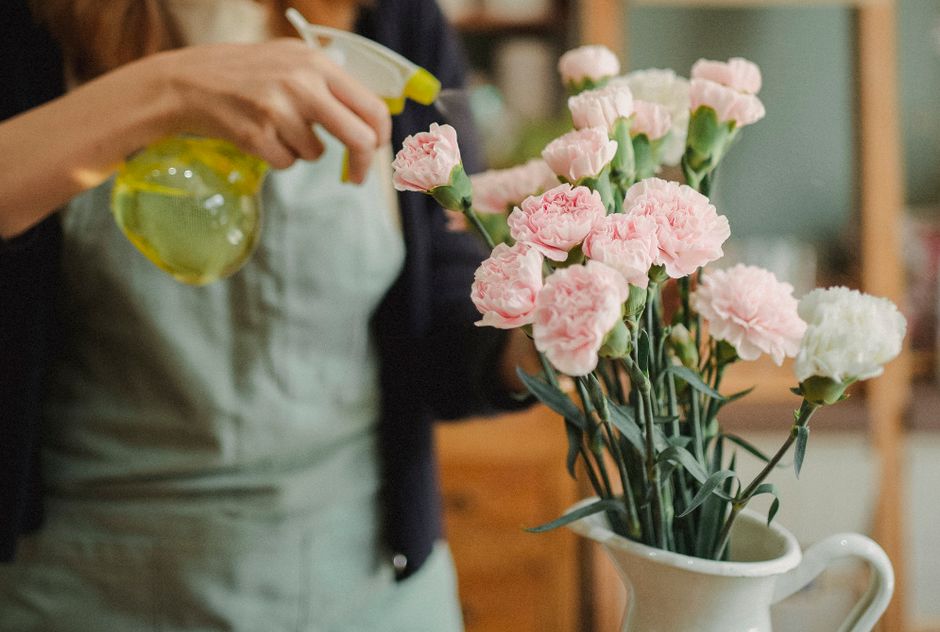
Table of Contents
- Why this routine matters
- How the routine works
- Key benefits and practical advantages
- Who needs it and when it makes sense
- Step-by-step guidance
- Expert tips for better results
- Common mistakes to avoid
- Tools, resources and recommendations
- Law, compliance, standards, or best practice
- Options, methods, or comparison table
- Case study or real-world example
- Practical checklist
- Conclusion
- Frequently asked questions
Why Simple care routine pros use for event flowers Matters
Event flowers are judged on timing as much as beauty. A bouquet can be perfect on arrival and still look tired a few hours later if it has not been handled properly. That is why professionals use a simple, disciplined routine rather than trying to improvise every five minutes. The goal is not to fuss over every stem. The goal is to keep the arrangement stable, hydrated, clean, and visually balanced for the whole event.
This matters even more in venues with variable conditions. A marquee on a warm afternoon, a church with strong sunlight through the windows, a hotel suite with overworked air conditioning, or a reception room where doors keep opening and closing can all put stress on flowers. A reliable care routine gives you a plan for those changes instead of a last-minute scramble.
There is also a practical cost angle. Replacing wilted flowers mid-event is expensive and, to be fair, not always possible. If the display is for a wedding ceremony, funeral tribute, or business launch, there is no second chance for the first impression. That is why many florists build their event work around smart preparation and careful aftercare, not just design flair.
Expert summary: the best event flower care is usually the least flashy. Keep stems hydrated, keep arrangements cool, keep them out of direct stress, and check them at sensible intervals. That alone solves a surprising amount.
How Simple care routine pros use for event flowers Works
At a professional level, the routine works because it follows the same logic every time: reduce stress, protect hydration, and maintain presentation. Fresh flowers are living material. They keep taking in water, losing moisture through their petals and leaves, and reacting to temperature and handling. A simple routine respects that reality instead of fighting it.
The process usually starts before the flowers reach the venue. Stems are cut cleanly, containers are filled correctly, and delicate blooms are packed to reduce movement. On arrival, flowers are placed as close as possible to their final position without unnecessary delay. After that, the routine becomes a loop: check water, check positioning, remove damaged petals or leaves, and adjust where needed. Nothing dramatic. Just steady care.
For larger events, the routine often includes a split between pre-setup care and event-day care. For example, wedding table arrangements might be set and watered early, while bridal bouquets are kept cool until the last sensible moment. A sympathy spray or wreath has different needs again because it may need to stay in place for longer and be viewed more closely at specific times. Different format, same principle.
If you are choosing arrangements for different occasions, the display style matters too. A compact vase design behaves differently from a hand-tied bouquet or a casket spray. You can see that difference in the product selection across categories like flowers in a vase, wedding table arrangements, and sprays. Each one benefits from a slightly different maintenance rhythm, even though the core routine stays simple.
Key Benefits and Practical Advantages
Keeping the routine simple is not about doing less. It is about doing the right things consistently. That gives you several useful advantages.
- Longer fresh appearance: flowers hold their shape, colour, and texture for longer.
- Better photo results: petals are less likely to droop or curl awkwardly in key moments.
- Lower stress on the day: a clear routine means fewer surprises and fewer rushed fixes.
- Less waste: you are less likely to lose whole stems or replace arrangements unnecessarily.
- More reliable presentation: the flowers look intentional from the first guest to the last.
There is also a softer benefit: confidence. When flowers are under control, everything else feels a bit calmer. You notice it at weddings especially. The bouquet is being carried. People are arriving. Someone is asking where the buttonholes are. The florist is doing a quick water check in the background. And the room, somehow, still looks beautiful. That is the point.
For businesses and event organisers, a simple care routine also improves supplier relationships. If you are ordering repeatedly, perhaps through a florist who offers corporate accounts, you want consistency more than drama. The same goes for family events and tribute work, where reliability matters as much as the flowers themselves.
Who This Is For and When It Makes Sense
This routine makes sense for anyone responsible for flowers that need to stay presentable for a set period of time. That includes wedding couples, event planners, office managers, restaurant teams, venue coordinators, funeral directors, and families arranging flowers themselves. If there is a schedule, a display window, or a lot of movement around the flowers, you need a care plan.
It is especially useful when:
- the event lasts several hours or more
- flowers are being transported in warm or unpredictable weather
- the arrangement includes delicate blooms like lilies or hydrangeas
- the display is close to heat, sunlight, or air movement
- you need multiple arrangements to look consistent across a venue
For example, a small birthday table arrangement might only need a water check and gentle repositioning. A full wedding setup, on the other hand, may need a timed sequence for bridal bouquets, ceremony pieces, reception tables, and any spare stems kept back for quick repair. It is the same logic, just scaled up.
If you are browsing gift or occasion flowers, it also helps to choose designs that suit the level of care you can realistically give them. A hand-tied bouquet is lovely, but a vase arrangement is often easier for a venue to manage. A mixed seasonal display can be forgiving, while some premium stems need more attentive handling. Choosing well at the start saves a lot later. That is the honest truth.
Step-by-Step Guidance
Here is the basic routine professionals use, stripped back into plain English. Not glamorous, but effective.
- Start with fresh stock. Flowers should arrive in good condition, with firm stems and clean leaves. If anything looks bruised, bent, or slimy at the base, sort it out before it gets into the arrangement.
- Trim stems cleanly. A fresh cut helps the flower take up water. Use sharp scissors or a knife made for floral work, and cut at a slight angle where appropriate.
- Use clean containers. Vases, buckets, and transport vessels should be washed properly. Old residue shortens vase life more than people often realise.
- Condition the flowers. Let them rest in water and cool conditions before the event where possible. This is one of those boring steps that pays off later.
- Place arrangements with purpose. Keep them away from radiators, direct sunlight, open kitchen heat, and cold drafts. Also, avoid putting them where guests will keep bumping them. Happens all the time.
- Check hydration regularly. Top up water where needed. For foam-based designs, make sure the medium has not dried out.
- Remove any tired material. Pull away fading petals, damaged foliage, or flowers that have collapsed. One tired bloom can drag down the whole look.
- Rotate or reposition if needed. If one side is getting more sun or airflow, adjust it before the damage shows.
- Keep a small repair kit nearby. Spare blooms, tape, snips, wipes, and water are enough for most quick fixes.
- Do a final walk-through. A last look before guests arrive catches the little things. You know, the tiny lean in a bouquet that nobody wants to admit they noticed.
For wedding flowers, you may want to split the routine into setup phases. Bridal bouquets, bridesmaid bouquets, buttonholes, and table flowers all age differently once they are out of storage. Choosing coordinated designs from ranges like bridal bouquets, bridesmaid bouquets, and buttonholes can make care and timing much easier because the whole event is designed as one system rather than a set of random pieces.
Expert Tips for Better Results
Once the basics are in place, a few professional habits make a noticeable difference.
1. Keep flowers cool, but not freezing. Cold storage helps preserve freshness, but over-chilling can bruise some blooms or make them open too slowly. In practice, a stable, cool room is usually better than constant temperature swings.
2. Think about the venue layout. A display near the entrance may suffer from drafts every time the door opens. A central table might look fine for the first hour, then start to struggle once people gather around it. Place flowers where the room conditions are steady, not just where they look pretty in a sketch.
3. Choose hardier stems for longer events. Some flowers are more forgiving than others. Carnations, chrysanthemums, alstroemeria, and germini often behave well in busy settings. Delicate flowers can be beautiful, but they may need more attention.
4. Use matching containers and mechanics. A well-fitted vase, secure floral foam, or a stable basket makes all the difference. Sloppy mechanics show up fast. They always do.
5. Plan for the human factor. Guests lean in for photos, children reach for petals, someone moves a table setting, and a venue team member may shift a display by a few inches. That is normal. Build your care routine around real life, not ideal conditions.
A small human moment here: you can often tell a professional setup from a rushed one by the way it behaves at 4 p.m. The good arrangement still looks rested. The rushed one looks like it has had a long day. Flowers are polite, but they are not that polite.
Common Mistakes to Avoid
Most problems are avoidable. The tricky bit is that the mistakes seem harmless until the flowers start fading. Here are the ones professionals watch for most often.
- Leaving flowers without water for too long. Even a short gap during transport or setup can shorten vase life.
- Putting arrangements in direct heat. Radiators, sunlight, and catering equipment are not flower-friendly.
- Using dirty buckets or vases. Clean water is not enough if the container is holding old bacteria.
- Overhandling blooms. The more you touch petals, the more likely they are to bruise or mark.
- Ignoring drooping foliage. Leaves in water rot quickly and affect the whole arrangement.
- Choosing the wrong style for the event. A display that works at a quiet dinner may not survive a full day wedding schedule without extra care.
- Not assigning responsibility. If nobody is "on flowers," small issues get missed.
A lot of these mistakes happen because people assume flowers are decorative extras. In event work, they are more like a live part of the venue design. They need a bit of attention. Not a lot. Just enough.
Tools, Resources and Recommendations
You do not need an enormous kit. Professionals usually keep a compact set of tools that supports fast, tidy maintenance.
- Sharp floral scissors or snips: for clean stem cuts and tidy repairs.
- Clean buckets and vases: essential for hydration and transport.
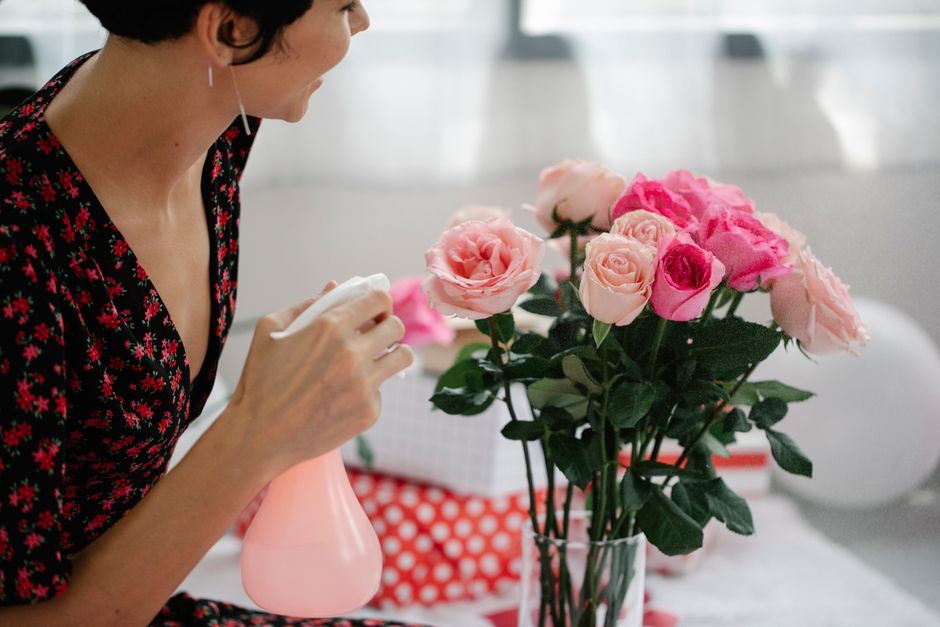
- Water jug or spray bottle: useful for topping up arrangements quickly.
- Floral tape and pins: helpful for securing buttonholes, bouquets, and smaller pieces.
- Soft cloths or paper towels: for wiping stems, containers, or accidental drips.
- Portable cool storage or a shaded holding space: especially useful on warm days or for longer events.
- Extra stems and spare blooms: ideal for quick patching if one flower goes over early.
If you are choosing arrangements rather than maintaining them yourself, it helps to think about the design family as part of the care strategy. A mixed display from best sellers may offer a good balance of beauty and durability, while a more specific style like florist choice can be useful when you want the florist to select the freshest seasonal stems available. If budget is tight, simpler designs from budget or cheap flowers can still look excellent if they are handled well.
One practical recommendation: choose flowers and accessories with the event in mind. For example, for a wedding, adding the right supporting pieces from a wedding gifts or floral collection can make the whole presentation feel coherent, not cobbled together. The care routine becomes simpler when the design has been planned with the day's flow in mind.
Law, Compliance, Standards, or Best Practice
For most event flower care, there is no special legal rule telling you exactly how to handle stems. Still, there are sensible UK best-practice expectations that matter. Venues, caterers, and florists should think about safe handling, clear access routes, and good housekeeping so displays do not create slipping hazards, block exits, or interfere with service.
If flowers are being transported or delivered as part of a business service, the usual duty of care applies: items should be packed safely, delivered on time where possible, and handled in a way that avoids avoidable damage. In shared spaces, especially hotels, offices, and public venues, you also need to be mindful of allergies, spill risks, and accessibility. A large display in the wrong place can be a nuisance even if it looks beautiful.
For funeral and remembrance work, sensitivity matters as much as mechanics. Floral tributes may need to stay in place for a set service window and should be handled respectfully by everyone involved. If you are ordering a tribute, arrangements from categories like funerals and sympathy flowers are usually designed with that purpose in mind, but the care routine still needs to keep them stable and dignified.
There is also a sustainability angle. Reusing clean containers, avoiding waste, and choosing seasonal stems when suitable all support better practice. If you want to understand a florist's approach a little more broadly, pages like sustainability and about us can give useful context about how the business works and what it values. Not every event needs a grand statement. Sometimes the best standard is simply: do the job properly and waste less.
Options, Methods, or Comparison Table
Different event flowers need different levels of care. Here is a simple comparison that helps when planning setup and aftercare.
| Method | Best for | Care effort | What it does well | Possible downside |
|---|---|---|---|---|
| Hand-tied bouquet | Bridal work, gifts, small event arrangements | Medium | Looks natural and elegant | Needs regular water and careful handling |
| Vase arrangement | Tables, receptions, hospitality spaces | Low to medium | Stable and easy to maintain | Container must stay clean and topped up |
| Foam-based design | Large displays, tributes, shaped arrangements | Medium | Holds structure well | Can dry out if not checked |
| Basket or posy style | Funerals, sympathy, portable displays | Low to medium | Easy to move and place | Needs careful moisture monitoring |
| Large installation | Photo backdrops, stage features, premium events | High | Big visual impact | Usually needs dedicated maintenance support |
If you are deciding between methods, think about the event length, venue conditions, and who will actually be available to look after the flowers. A beautiful arrangement that needs too much attention is not always the best choice. A slightly simpler design that stays strong all day often wins in the real world.
Case Study or Real-World Example
Here is a realistic example from a mixed event day. A customer orders flowers for a ceremony, a reception table display, and a few sympathy pieces for a nearby service later the same day. The weather is mild at first, then the room warms up as guests arrive and the doors keep opening. Nothing unusual, really.
The florist's routine is straightforward: all arrangements are conditioned early, the bouquet and buttonholes are stored cool until the last possible moment, and the table displays are set away from the sunniest windows. A small water check is done before the ceremony, another during the turnover window, and a final check before evening photographs. One stem that starts to soften is removed before it affects the rest of the design. No drama. No scrambling.
The result is not just that the flowers last longer. They also look more intentional in photos because they have not been allowed to sag or crowd themselves. Guests usually never notice the maintenance work, and that is the point. The care routine stays invisible while the flowers do the visible job.
In a different scenario, a family ordering a memorial tribute may need the flowers to stay composed for the service and afterward for viewing. The routine there is gentler and more respectful, with less handling and more attention to shade, moisture, and timing. That is where a florist's judgement really counts.
Practical Checklist
Use this simple checklist before and during the event. It keeps things moving without overcomplicating the day.
- Flowers arrived fresh and undamaged
- Stems trimmed cleanly
- Containers washed and ready
- Water levels checked
- Arrangements placed away from heat and direct sun
- Displays secured so they cannot tip easily
- Spare blooms and tools nearby
- Damaged leaves or petals removed
- Buttonholes, bouquets, and table flowers stored appropriately
- Final walk-through completed before guests arrive
A quick note: do not wait for a problem before checking. A 30-second glance now can save a 30-minute panic later. That is the whole game, really.
Conclusion
The simple care routine pros use for event flowers is simple for a reason. It focuses on the basics that actually matter: fresh stems, clean water, sensible placement, regular checks, and calm handling. Do those well and the flowers will look better for longer, feel more polished in the room, and create the kind of atmosphere people remember without quite knowing why.
Whether you are planning a wedding, a formal dinner, a remembrance service, or a corporate celebration, the right routine gives your flowers a proper chance to shine. Not in a fussy, overworked way. Just steady, thoughtful, and reliable. That usually beats cleverness anyway.
Get a free quote today and see how much you can save.
And if you are still deciding on the right style or support level, a good florist will help you match the flowers to the day instead of forcing the day around the flowers. That's the part worth getting right.
Frequently Asked Questions
What is the simplest care routine for event flowers?
The simplest routine is to keep flowers hydrated, cool, and protected from direct heat or rough handling. Check water regularly, trim stems cleanly, and remove any damaged foliage or petals before they spread the problem to the rest of the arrangement.
How long can event flowers stay fresh with good care?
That depends on the flower type, the venue conditions, and the arrangement style. Some flowers hold up beautifully for many hours or longer, while others need more attention. A careful routine helps them last much better than leaving them unattended.
Do event flowers need to be refrigerated?
Not always. Cool storage can help before setup, but what matters most is a stable temperature and avoiding heat swings. A cool room, shaded holding area, or florist's storage space is often enough for many event flowers.
What flowers are easiest to care for at events?
Hardier stems such as carnations, chrysanthemums, alstroemeria, and germini are usually easier to manage in busy event settings. They tend to cope better with transport, handling, and longer display times than more delicate blooms.
How often should I check the flowers during an event?
For a short event, a couple of checks may be enough. For weddings or long receptions, more regular walk-throughs make sense. The key is to look before issues become visible, not after.
What is the biggest mistake people make with event flower care?
One of the biggest mistakes is placing flowers in the wrong spot, such as near heat, sunlight, or strong drafts. Another common issue is forgetting to top up water or leaving arrangements without anyone assigned to monitor them.
Are vase arrangements easier to maintain than bouquets?
Usually yes. Vase arrangements are often more stable and easier to keep hydrated, which is why they work well in receptions and hospitality spaces. Bouquets are beautiful too, but they need more careful handling once they are out of water.
How do florists keep wedding flowers looking good all day?
They usually use a combination of early conditioning, sensible storage, timed delivery, and small refresh checks during the day. Some pieces are kept cooler until needed, while others are placed only when the room is ready.
Can I care for event flowers myself, or should I hire a florist?
You can absolutely care for some event flowers yourself if the setup is small and simple. For larger events, or anything with strict timing and presentation needs, a florist is usually the safer choice because they can manage the routine properly.
Do funeral flowers need different care from wedding flowers?
Yes, a little. Funeral and sympathy flowers often need to stay dignified and stable for a service window, with less handling and more care around moisture and placement. The same basic principles apply, but the tone and timing are different.
What should be in a flower maintenance kit for events?
Sharp snips, clean water, a spray bottle, spare blooms, soft cloths, floral tape, and a secure container for transport are the core items. You do not need a huge kit. You need the right bits in one place.
What should I do if one flower starts to wilt early?
Remove it promptly if it is affecting the look of the arrangement. Replace it with a spare stem if you have one, or adjust nearby flowers to rebalance the design. Leaving one tired bloom in place usually makes the whole display look older than it is.
How do I choose flowers that will be easier to maintain?
Think about duration, temperature, and handling. For longer events, sturdier flowers and simpler designs are often easier to manage. If you are unsure, ask for a florist choice arrangement or a style that suits the venue conditions rather than just the colour scheme.
Is there a best time to set up event flowers?
Usually as late as practical without causing rush. Flowers look best when they have not been sitting around unnecessarily, but they also need enough time for proper placement and final checks. The sweet spot depends on the event schedule and the venue.